
Why Material Quality Becomes More Critical During Peak Construction Season
June 17, 2026
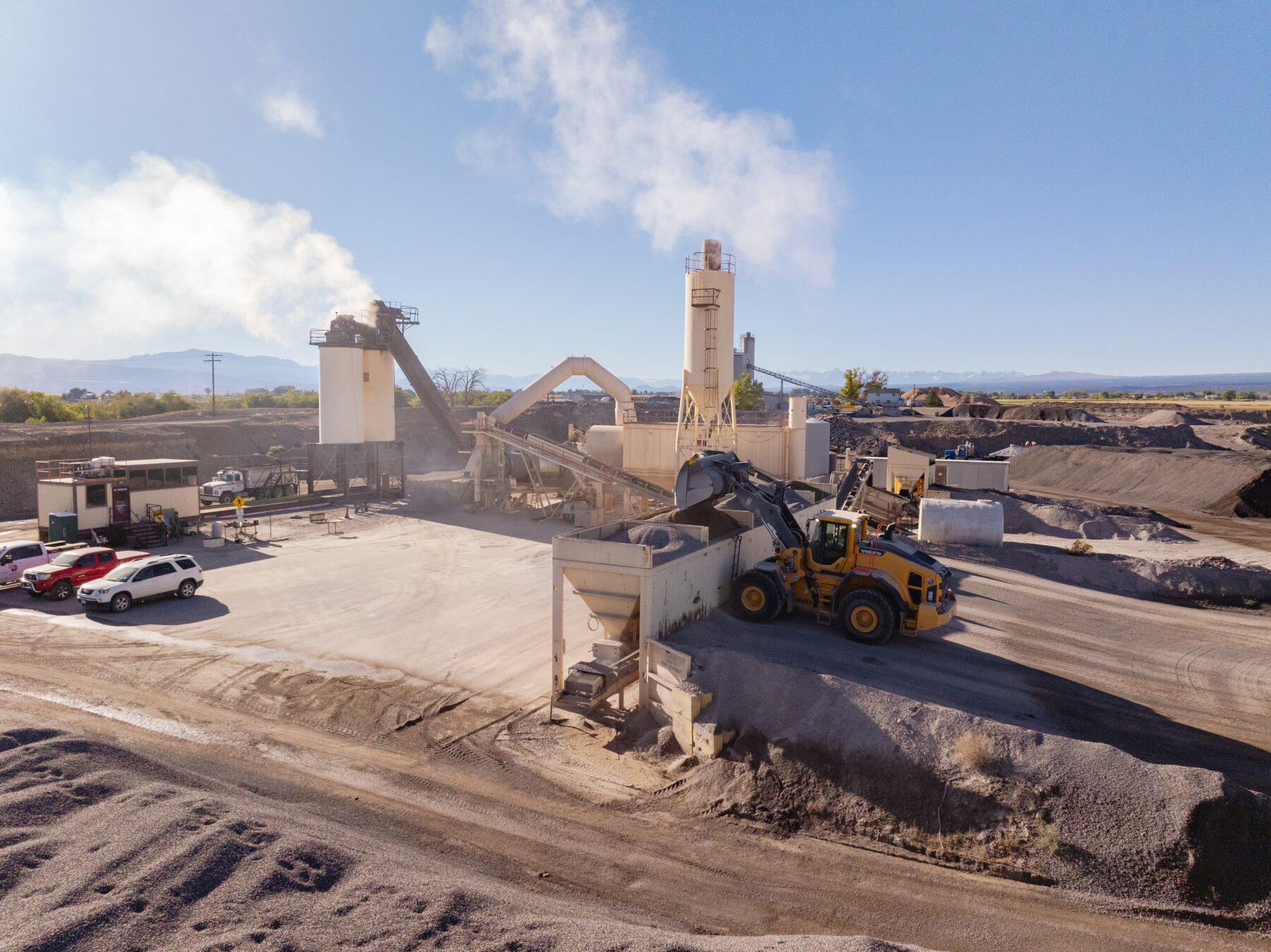
Peak construction season puts more pressure on every part of a job, including the materials coming from the plant. Across Western Colorado, most paving and concrete work is packed into the stretch between spring thaw and first frost, when crews are moving fast and schedules are tight. In those conditions, even small inconsistencies in aggregate, mix water, or binder performance can create bigger problems in the field. That is why material quality becomes even more important during the busiest part of the season.
How Aggregate Behavior Shifts Under Peak Production
Under peak production, sand and rock products cycle through screens and stockpiles at double or triple their off-season pace, which puts equipment wear and gradation drift on the same accelerated curve. When throughput climbs that high, worn screens can let oversize particles slip into a base course that depends on tight interlock to carry repeated truck loads. Moisture content on a stockpile baking in afternoon sun can swing several percentage points between morning and evening loads, which then changes the water-cement ratio in every yard leaving the ready mix plant. Through every shift, gradation checks and moisture testing keep base material packing the way it should and keep slab pours behaving predictably from one truck to the next.
Ready Mixed Concrete Pours Through Mountain Heat
Hydration accelerates as ambient temperatures push past 85 degrees, which shortens working time and raises the risk of plastic shrinkage cracking before bull floats can finish their pass. To stay ahead of that, a peak-season mix can adjust cement content and rely on aggregate that pulls less water in transit, while retarders extend working time at the placement face. Once the calendar tightens, truck cycle times matter more, since concrete sitting in a drum during 90-degree dry air can lose slump fast enough to compromise consolidation around rebar and embeds. Through mix designs tuned to regional ambient ranges and paired with disciplined dispatch from the plant, placement crews finish slabs with the surface stability they need for joint cuts and curing.
Asphalt Mat Behavior During the Paving Crunch
Hot mix asphalt leaves the plant at upwards of 300 degrees, and every minute lost in transit costs density at the screed. During peak season, longer haul distances to remote subdivisions and resort corridors can drop mat temperature below the compaction window, which then opens the door to ravelling and premature rutting once winter sanding crews start moving across the surface. Aggregate angularity and asphalt binder grade need to match the project conditions rather than a default summer template, with the roller pattern reflecting both. When the mix arrives within spec and the rolling pattern matches ambient and base temperatures, the mat closes properly and the surface holds its profile through repeated freeze-thaw cycles.
Where Specifications Quietly Hold or Slip
Volume can mask drift. Near peak capacity, a plant faces fourteen straight weeks of wear on screens, scales, and probes, which is exactly the moment when daily calibration logs and aggregate certifications protect a slab pour or overlay from inheriting upstream variation. Curing practices on the placement side feel the same pressure, since shorter overnight windows and rapid moisture loss in dry mountain air pull water out of slabs before hydration completes. Through every shift, steady QA routines hold load behavior and surface profile within the bands the design called for.
Coordination Between Plant and Placement Crew
Cause and effect on a peak-season pour starts at the batch plant and ends at the float blade. For crews placing slab in a tight subdivision, the plant matches truck spacing to placement speed and adjusts admixture dosing for the haul ahead. Highway shoulder work benefits when production rate at the plant matches the rolling train rather than getting ahead of it. When dispatch and field foremen keep open lines, batch after batch arrives in the same condition the previous one did, which is what the finished surface ultimately reflects.
United Companies supplies aggregates, ready mixed concrete, and asphalt across the Western Slope, with mix designs tuned to the temperature swings and project tempo of Colorado’s peak season. Contact a local team to scope the right materials for a summer build calendar.