
The Science Behind Lightweight Aggregates in Tower Construction
November 7, 2025
As modern skylines continue to evolve, the demand for materials that balance strength, efficiency, and sustainability grows stronger. Lightweight aggregates have emerged as a defining advancement in tower construction, offering the structural performance necessary for high-rise applications while reducing overall load demands. By reengineering the composition and behavior of concrete, these aggregates are reshaping how tall structures are designed, built, and maintained.
Reimagining Structural Performance
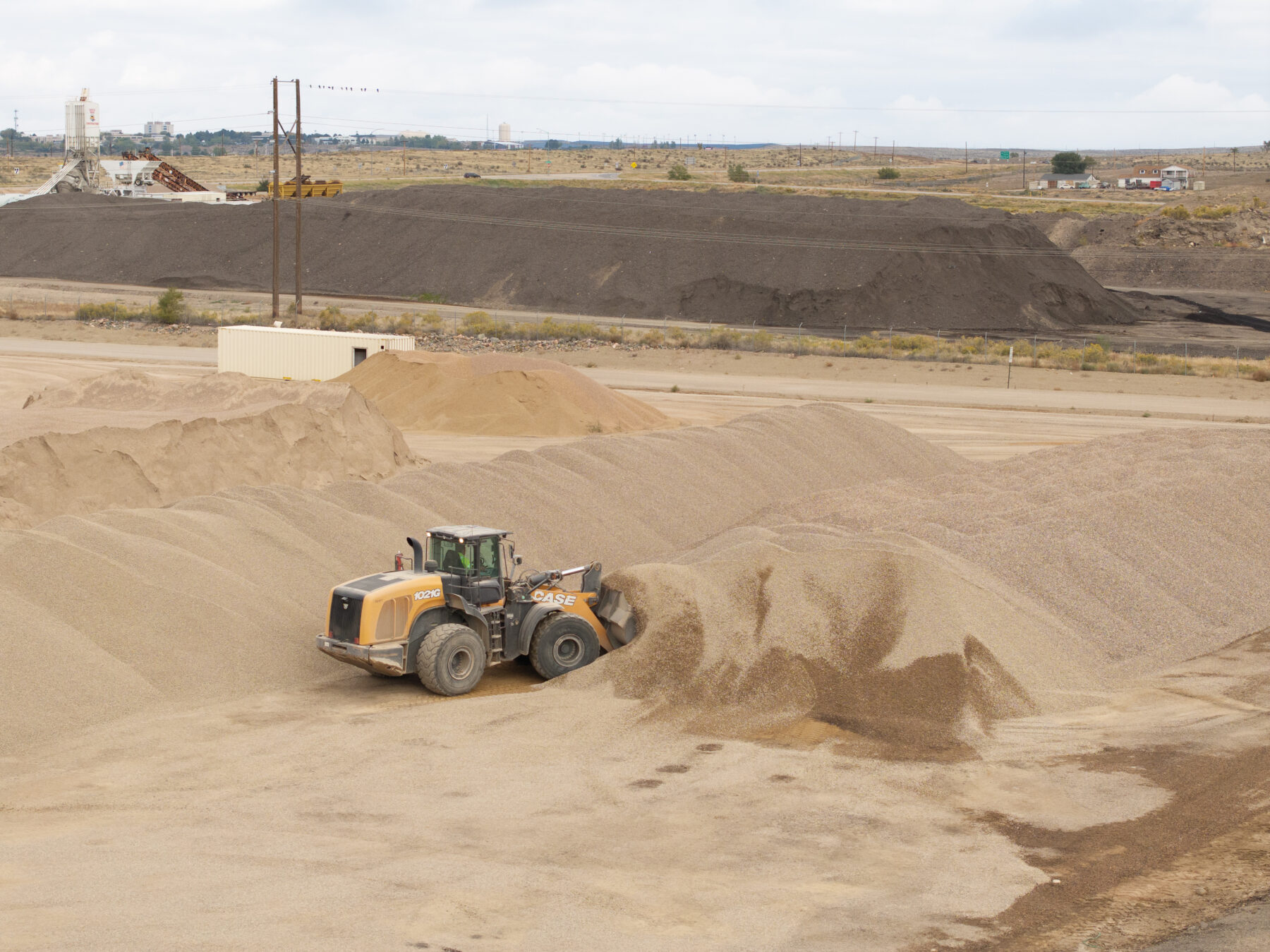
Traditional concrete, while strong and durable, carries significant weight that directly impacts the size and cost of a building’s foundation and support systems. Lightweight aggregates address this challenge by reducing the density of concrete without compromising its integrity. Produced from materials such as expanded shale, clay, or slate, these aggregates are formed through controlled heating processes that create a porous internal structure. The result is a lighter material capable of maintaining compressive strength while significantly reducing the overall mass of the concrete mix.
This change in density directly translates to design flexibility. Architects and engineers can pursue taller, more complex structures with reduced foundation requirements, minimizing material use and construction time. The reduction in deadload also enhances seismic performance, allowing towers to absorb and dissipate movement more effectively during lateral stress events. In this way, lightweight aggregates not only strengthen the vertical ambitions of modern architecture but also reinforce its safety and longevity.
Balancing Weight and Durability
The key advantage of lightweight aggregates lies in their ability to achieve strength through structure rather than mass. Each granule contains microscopic air voids that improve insulation and water absorption characteristics while maintaining cohesion within the concrete matrix. When properly mixed, this composition creates a material that resists cracking, improves freeze-thaw durability, and limits the potential for long-term shrinkage—all essential factors in high-rise environments where structural stability must be maintained across dozens of floors.
Additionally, the improved thermal performance of lightweight aggregate concrete supports energy-efficient design. The air pockets act as natural insulators, helping regulate internal temperatures and reducing the load on building systems. This integration of material science and sustainability reflects a broader industry shift toward high-performance construction methods that support both environmental responsibility and operational efficiency.
Simplifying Transport and Installation
Beyond structural and environmental benefits, the reduced weight of these aggregates simplifies nearly every phase of tower construction. From batching and mixing to transportation and placement, lighter materials lower fuel consumption and equipment strain. Crews can maneuver loads more efficiently, particularly when concrete must be pumped to extreme heights. This efficiency enhances project scheduling and reduces logistical complexities, ensuring that materials reach elevated forms without unnecessary delay or risk of segregation during placement.
In regions where vertical growth defines urban expansion, this streamlined process allows developers to meet ambitious construction timelines without sacrificing quality. By supporting both the technical and practical demands of large-scale projects, lightweight aggregates have become a vital component of high-rise innovation.
Shaping the Future of Vertical Engineering
The continued refinement of lightweight aggregate production highlights the role of science in transforming construction materials. Ongoing research focuses on enhancing particle uniformity, optimizing mix design, and improving the bond between aggregates and cement paste to achieve even greater strength-to-weight ratios. As these technologies advance, the potential for constructing taller, more resilient, and more energy-conscious towers expands in tandem.
Lightweight aggregates have proven that innovation at the material level can redefine what’s possible at the structural level. By combining reduced mass with reliable strength and environmental performance, they have set a new benchmark for tower construction. From the ground up, these aggregates ensure that modern skylines rise not just higher, but smarter, built on science engineered for progress.