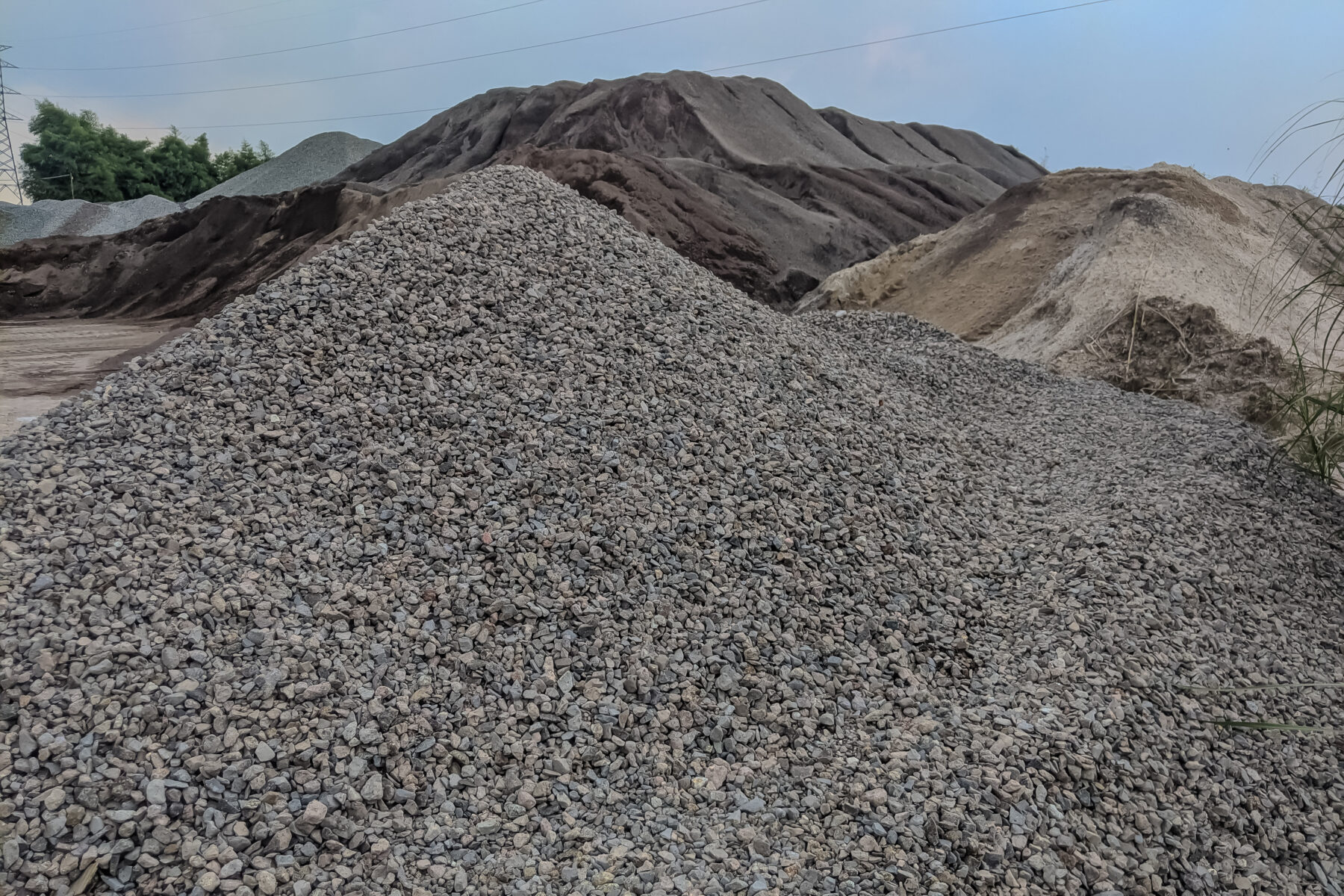

Proper Aggregate Storage Solutions to Prevent Contamination on Job Sites
November 26, 2025
Every construction project relies on the quality of its materials, and aggregates sit at the core of that performance. Whether used in concrete, asphalt, or base layers, aggregates form the structural body of a project, influencing everything from strength to durability. Yet even the best material can lose its integrity if stored incorrectly. Contamination, segregation, or moisture imbalance can compromise the mix before it ever reaches production. Establishing proper aggregate storage practices ensures that every ton maintains its intended performance and consistency on the job site.
Protecting Material Integrity through Separation
The first principle of aggregate storage is maintaining clear separation between material types and sizes. Fine and coarse aggregates must be stored in distinct, well-defined zones to prevent cross-contamination. Dividing walls, bins, or stockpiles with sufficient space between them help preserve gradation and avoid blending of different aggregate classifications. When these boundaries are ignored, even minor mixing can alter water demand, reduce compaction efficiency, and disrupt the precise ratios needed for high-performance concrete or asphalt. Controlled segregation begins with organized layout planning, one that considers traffic flow, loading access, and drainage so materials stay contained and undisturbed.
The Importance of Clean, Stable Bases
Stockpiles are only as clean as the ground beneath them. Aggregates stored directly on dirt or unpaved surfaces risk contamination from soil, organic material, and debris that can affect mix performance. A paved or compacted base provides a stable platform, reducing dust and minimizing the risk of unwanted fines entering the material. Sloped bases are also essential for proper drainage, helping prevent water accumulation that could wash away smaller particles or cause uneven moisture distribution. Consistent ground maintenance, such as sweeping and regrading, keeps these areas reliable for long-term storage and loading efficiency.
Managing Moisture to Maintain Consistency
Moisture plays a critical role in aggregate performance, influencing batch weights, compaction, and overall mix design. While some level of natural moisture is expected, uncontrolled exposure can lead to variation that affects production accuracy. Covering aggregates with tarps, canopies, or permanent shelters helps manage rainfall and evaporation, ensuring consistent moisture content across the pile. In high-production environments, automated moisture monitoring systems provide real-time data that allows for precise adjustments to mix proportions. Maintaining this balance protects against batch inconsistencies that could weaken finished concrete or asphalt.
Controlling Access and Material Movement
How aggregates are handled on-site directly impacts their cleanliness and uniformity. Using designated equipment for each material type prevents carryover from previous loads, while clearly defined haul routes minimize unnecessary tracking of dirt or debris into the piles. Loading should follow a controlled process, typically from the bottom up and in layers, to reduce segregation and maintain uniform distribution. Additionally, consistent rotation of stockpiles ensures that older material is used first, reducing the risk of degradation from prolonged exposure to weather or contamination.
Elevating Quality through Thoughtful Site Design
Strong material management is shaped by how a site is organized. When aggregate storage areas are planned with precision, they promote both protection and efficiency. Defined zones equipped with environmental safeguards support cleaner workflows and limit the potential for contamination or loss. Perimeter structures such as berms and silt fencing help manage runoff, while clear signage and controlled access keep handling consistent across teams. This level of planning turns storage into a system of reliability, one that upholds quality from the first delivery to the final mix.
Reliable construction stems from how materials are managed the moment they arrive on site. Aggregates maintained in clean, stable environments preserve their balance and uniformity, ensuring consistent strength and finish across every batch. Controlled moisture, orderly stockpiles, and correctly prepared bases represent precision in practice, care that translates directly to long-term structural performance. When storage is treated as an active part of production, it lays the groundwork for structures built to perform with consistency and endurance.