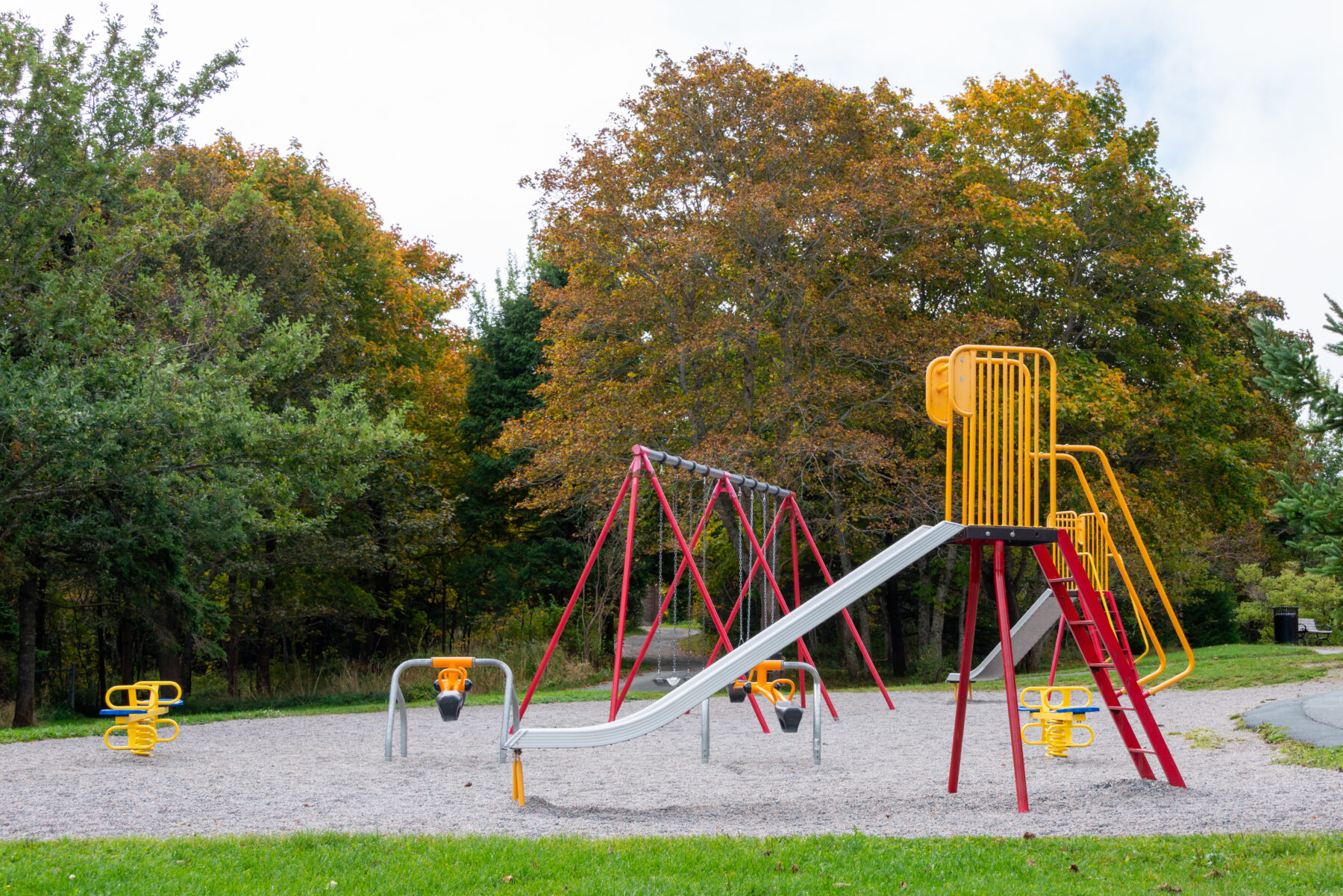

How to Use Sand and Gravel to Build a Community Playground
October 10, 2025
A community playground is a centerpiece of connection, offering a space where children can play freely and families can gather. Its success depends not only on the equipment but on the groundwork that supports it. Sand and gravel provide that foundation, delivering the stability, safety, and performance needed to create a space that serves the community for years.
Preparing the Site
Before construction begins, the site must be properly graded and cleared. Vegetation, debris, and soft soil are removed to expose a firm surface. Once the area is leveled, a sub-base of compacted gravel is introduced. This layer establishes stability, prevents shifting, and allows water to drain naturally away from the playground. Without proper drainage, moisture can collect under the surface, leading to erosion or equipment shifting.
Building with Gravel
Gravel plays a structural role throughout the playground. A 4 to 6-inch layer of crushed stone or angular gravel is commonly used beneath swing sets, slides, and climbing frames. The interlocking properties of angular gravel provide a solid base that resists movement, keeping equipment anchored in place.
Gravel also supports pathways and border areas. When compacted, it creates firm walkways that handle frequent use while maintaining a clean, stable surface. Along the edges of the playground, gravel acts as a transition layer, keeping soil in place and clearly defining the boundaries of play zones.
Creating Safe Play Surfaces with Sand
While gravel forms the foundation, sand is the surface layer that directly enhances safety. In fall zones, areas under swings, monkey bars, and slides, sand absorbs impact and reduces the chance of injury. Safety guidelines typically recommend maintaining sand at a depth of 12 inches for optimal cushioning. Regular raking ensures even coverage and helps maintain this protective thickness.
Sand is also ideal for dedicated play areas, such as sandboxes or digging pits. These spaces encourage creativity and social interaction while providing a tactile experience that stimulates learning. Because sand is naturally soft and moldable, it adds a dimension of play that goes beyond traditional equipment.
Combining Sand and Gravel for Performance
The strength of a community playground comes from combining the functions of both materials. Gravel establishes a solid, yet porous base that equipment can be secured to, while sand provides the cushioning surface required for safe play. Together, they create a system that balances durability and safety.
Borders, curbing, or timber edging often help keep the sand in place above the gravel layer. This ensures that sand remains within designated zones, making maintenance easier while preserving the integrity of fall protection areas.
Maintenance for Long-Term Use
A playground’s performance depends on upkeep as much as initial design. Gravel bases should be checked periodically to ensure they remain compacted and level. Sand surfaces require regular raking and topping off to maintain proper depth, especially in areas with high traffic where it may scatter.
By combining routine maintenance with quality materials, communities ensure their playgrounds remain safe, attractive, and dependable gathering places for years.
Sand and gravel play essential roles in playground construction. Gravel forms the backbone, delivering stability and drainage, while sand adds safety and enriches the play experience. Working together, these materials create playgrounds that are durable, welcoming, and designed to stand as a central part of community life.