

5 Factors That Determine How Long a Highway Pavement Will Last
November 1, 2026
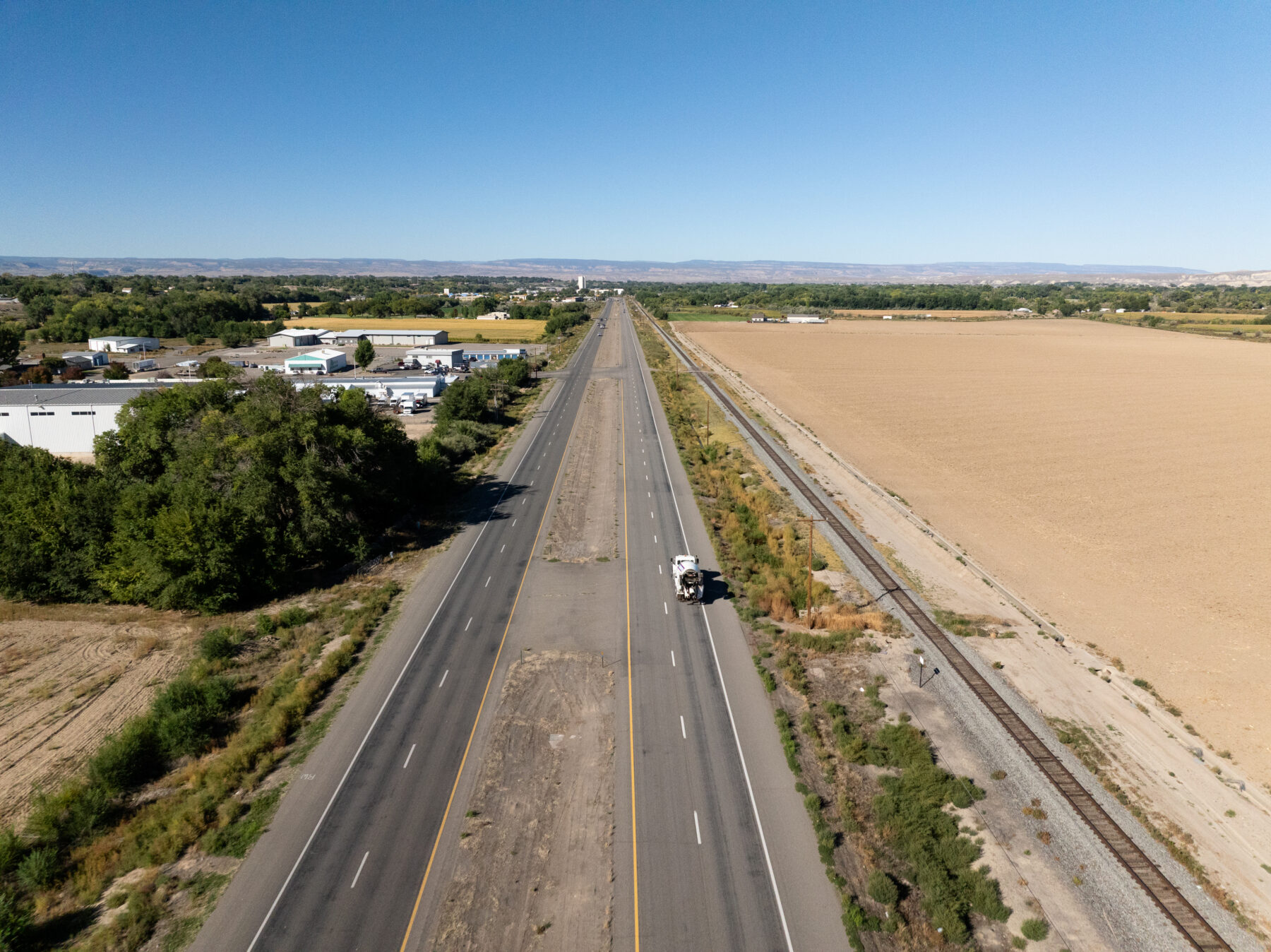
Highway pavement is built to handle years of heavy traffic and changing weather conditions, but its actual lifespan can vary considerably. Some roads begin showing signs of wear earlier than expected, while others remain in service well beyond their original design life. Much of that difference comes down to how the pavement is built and the conditions it faces throughout its service life.
- How Truck Traffic Affects Highway Pavement Life
Truck traffic sets the workload a highway pavement has to carry, and it outweighs car traffic by a wide margin. Pavement damage climbs roughly with the fourth power of axle load, so an axle carrying twice the weight does about 16 times the damage on each pass. Under some loading conditions, a single heavily loaded truck can cause as much pavement damage as thousands of passenger cars.
Engineers turn a road’s projected truck count into the thickness of each layer and the type of mix on top. When freight volume grows faster than the original forecast, the pavement uses up its planned life early, even when every material in it was placed correctly. Concrete highway pavement follows the same logic, with slab thickness set by the heaviest axles expected across its service life.
- Subgrade and Base Support
Subgrade and base support decide how much of each truck load reaches the native soil beneath a highway. A compacted layer of crushed road base spreads a wheel load across a wider area, so the pressure at the subgrade sits well below the pressure at the surface. By reducing the pressure reaching the underlying soil, the aggregate base limits the deformation that can eventually appear as rutting and cracking at the surface.
Soil type changes how much base a road needs under those loads. Clay that swells when wet and softens during a spring thaw calls for a thicker base or a stabilized layer, while dense, granular soil can carry the same traffic on less. The base stone itself works best when it is angular and well graded, because those particles lock together under the roller, while rounded or dirty rock tends to shift and hold water.
- Mix Design for the Local Climate
Above a well-built base, the mix design for a highway pavement has to match both its traffic and the climate it sits in. Asphalt binder is graded by the highest and lowest pavement temperatures it can handle, so a road that bakes in summer and drops well below freezing on winter nights needs a binder rated for both ends of that range. A binder graded too narrowly for that swing shows it as wheel-path ruts in summer or transverse cracks in winter. At higher elevations, increased ultraviolet exposure can contribute to binder aging, while repeated temperature changes place additional stress on the asphalt surface.
Hot mix asphalt for highway traffic relies on clean, angular, crushed aggregate that interlocks into a stone skeleton and holds its shape under heavy axles. Dust or clay coating that stone weakens its bond with the binder, and moisture can then strip the two apart from the inside.
- How Compaction Affects Highway Pavement Life
Once the right mix reaches the paver, compaction becomes one of the most important factors in determining how long the asphalt surface will last. Research has linked higher in-place density with longer pavement service life because fewer connected air voids limit the movement of water and oxygen through the asphalt. Even relatively small differences in density can affect how quickly the pavement develops cracking, raveling, and moisture-related damage.
Rollers have a narrow window to reach that density while the mat is still hot. Cool weather, long hauls, and thin lifts all shorten it, so paving crews track mat temperature and test in-place density behind the rollers. Longitudinal joints between paving passes need the same attention, since they often compact less than the center of the lane and open up first.
- How Drainage Affects Highway Pavement Life
Drainage keeps water out of the base beneath a highway pavement, since those layers lose load capacity when wet no matter how dense the mat above them is. Water that seeps in through cracks or soft shoulders and stays there lets the base deflect noticeably more under every truck. A proper crown and open ditches carry surface water away, and edge drains pull seepage out of the base before it lingers. The same principle shows up in gravel road construction, where a free-draining base keeps the driving surface firm.
Freezing weather works on whatever water stays behind. During freezing conditions, moisture can migrate through frost-susceptible soils and form ice lenses that lift the pavement. As temperatures rise, thawing leaves the supporting soil saturated and temporarily unable to carry the same loads. Many agencies post seasonal load limits during that thaw, since the road can rut and crack under traffic it would carry easily in summer.
How Highway Pavement Reaches Its Design Life
Highway pavement lifespan depends on how well its materials and construction methods work together under daily traffic and changing weather conditions. A stable aggregate base, properly selected asphalt mix, and effective drainage all contribute to a road that can withstand years of heavy use with fewer major repairs.
United Companies produces hot mix asphalt at award-winning plants and supplies crushed aggregate and road base for highway construction. Contact the team to request a quote for an upcoming highway or road project.