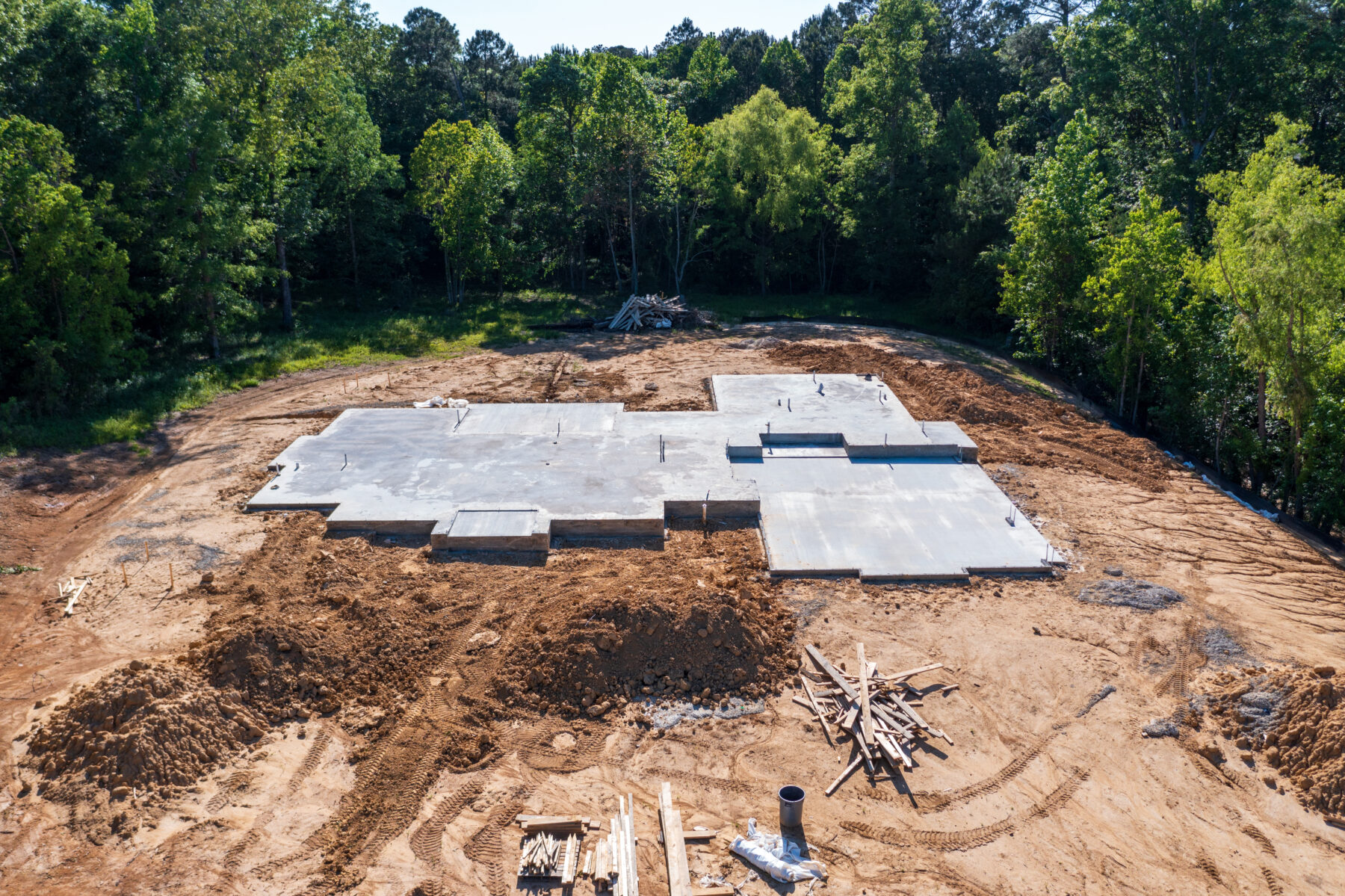

The Best Foundation Materials for Homes Built in Freeze-Prone Climates
December 31, 2025
Building in regions where temperatures regularly dip below freezing calls for materials that hold steady as the ground shifts throughout the season. The freeze-thaw cycle places steady pressure on foundations, influencing performance long after the structure is complete. Selecting the right base materials becomes a direct investment in stability, moisture control, and long-term reliability, especially when the environment challenges every layer from the soil upward.
Creating a Stable Base in Cold Conditions
A dependable foundation begins with materials capable of resisting seasonal movement. Crushed stone is often the first layer introduced because it provides a firm, free-draining base that limits frost-related expansion. Its angular structure locks into place under compaction, giving the foundation predictable support as temperatures rise and fall. This stability also helps distribute loads evenly, reducing the potential for cracking once concrete is placed.
As construction progresses, gravel blends play a similar role by adding depth, packing strength, and controlled drainage. These materials help maintain consistent moisture levels beneath the slab or footing, an important factor in preventing frost heave. Each gradation is selected for how it interacts with neighboring layers, forming a base that responds calmly to winter shifts rather than amplifying them. This careful layering helps create conditions where concrete can cure properly and maintain uniform strength.
Managing Moisture for Seasonal Protection
Water management sits at the center of any cold-climate foundation strategy. When moisture accumulates beneath footings and freezes, the resulting expansion can lift or distort structural elements. Sand is often added to the base system because it fills voids between larger aggregates, helping create smooth transitions between layers while supporting moisture movement away from critical zones. When combined with crushed stone and gravel, sand assists in forming a drainage pathway that keeps the foundation from sitting in saturated soil during freeze events.
Drainage aggregates installed along the perimeter contribute additional protection by moving water away before it reaches deeper layers. These systems rely on uniform, clean stone that allows steady flow. By reducing standing water and preventing ice formation under the structure, drainage materials help maintain the foundation’s shape and limit seasonal stress.
Supporting Structural Strength with Quality Concrete
While aggregates prepare the ground, the concrete that follows carries the building’s load through winter’s fluctuations. Mixes for freeze-prone climates often incorporate air-entrainment, giving the material tiny pockets that ease pressure when moisture freezes within the slab. The combination of a resilient subbase and a purpose-built concrete mix leads to a foundation capable of handling repeated cycles of expansion and contraction.
The aggregates within the concrete itself contribute to performance as well. Durable, well-graded stone resists fracturing under thermal stress, and proper blending ensures a dense, reliable composition. This internal structure works alongside the external base layers to create a system where every component reinforces the next.
Building Long-Term Stability Through Material Alignment
When foundation materials are chosen with the climate in mind, each layer supports predictable behavior throughout winter. Crushed stone, gravel, sand, drainage systems, and freeze-resistant concrete together create an integrated base that withstands seasonal challenges while protecting the structure above it. Homes built on this kind of foundation benefit from a stable footprint that holds form year after year.
Project teams working in cold regions strengthen results by partnering with suppliers who understand the demands of freeze-prone environments. Quality aggregates and well-designed mixes become key contributors to performance, turning a challenging climate into conditions a well-prepared foundation is built to manage.